
Steel Plant
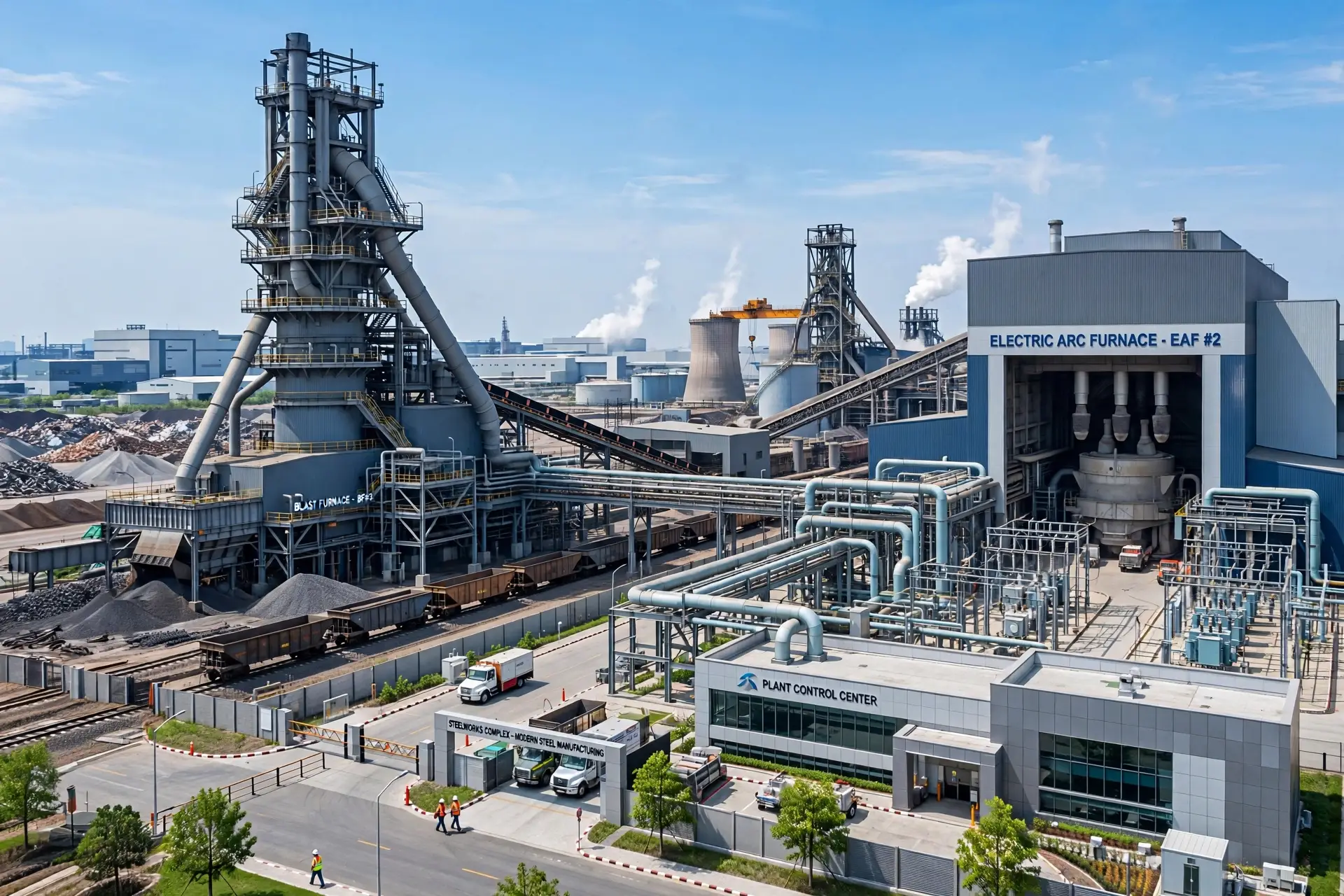
Gain continuous insights into the health, condition, and performance of critical electrical assets to improve reliability, safety, and production efficiency. Steel is one of the most essential materials supporting modern industrial activity, with its strength, durability, and versatility making it fundamental to construction, automotive manufacturing, infrastructure, energy, transportation, and numerous other sectors. Steel production involves complex, energy-intensive operations that depend on heavy machinery, high-power electrical systems, and high-voltage infrastructure operating under demanding conditions. Any failure within these systems can lead to production interruptions, equipment damage, increased energy consumption, safety risks, and significant maintenance costs. Continuous monitoring of electrical assets enables steel plant operators to identify early signs of deterioration, detect abnormal operating conditions, and take proactive action before failures occur. The steel industry is broadly categorized into two primary production methods based on the required output and manufacturing process: Primary Steelmaking using the Blast Furnace–Basic Oxygen Furnace (BF-BOF) route and Secondary Steelmaking using the Electric Arc Furnace (EAF) route. Both production methods rely heavily on dependable electrical infrastructure, including transformers, switchgear, motors, cables, drives, and other critical assets, making continuous condition monitoring essential for maintaining stable, efficient, and uninterrupted steel production.