
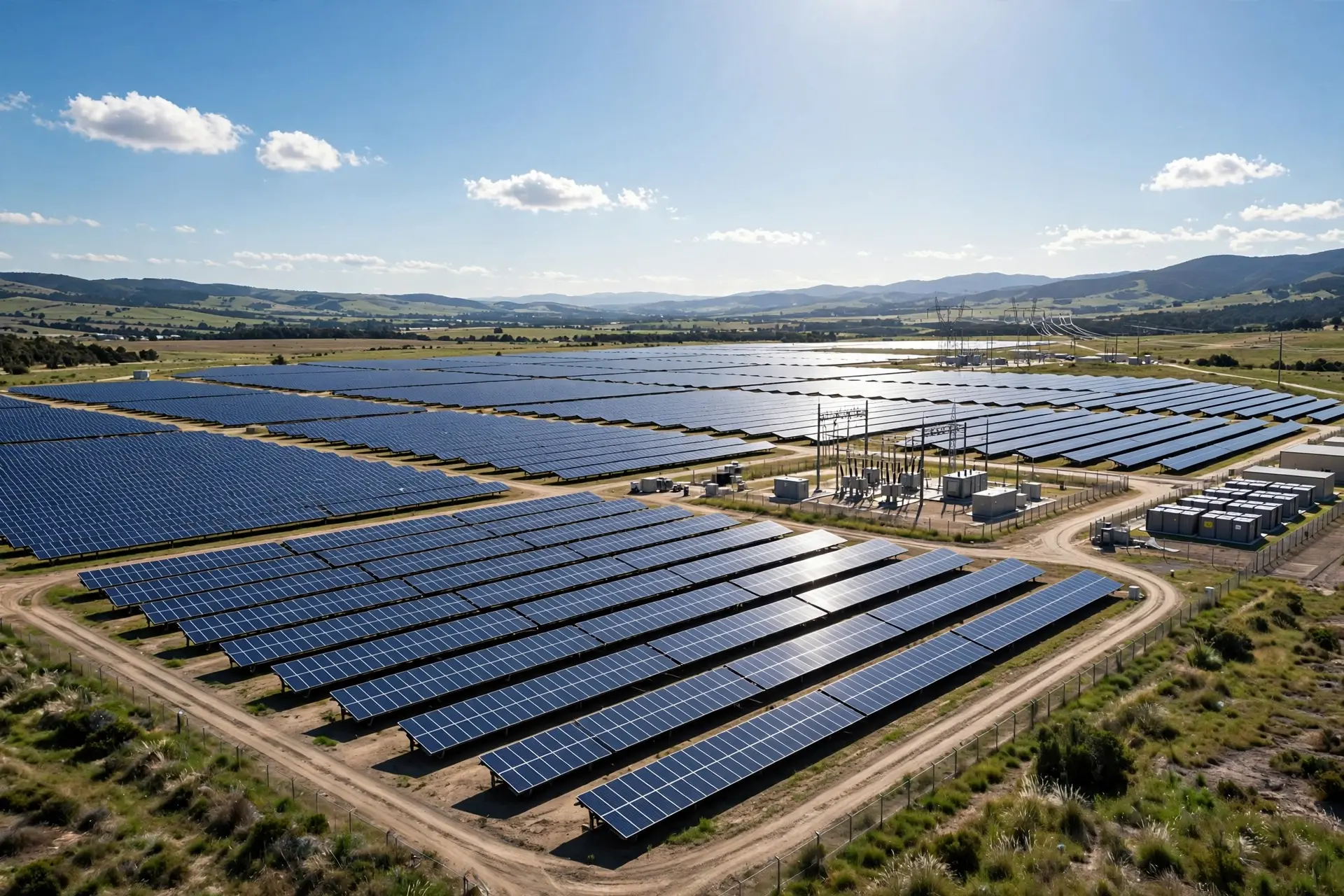
Solar Farm
Enable early fault detection and predictive maintenance to minimize unplanned outages, reduce asset downtime, and maximize solar generation performance. The solar industry is one of the fastest-growing segments of the renewable energy sector, driven by increasing global demand for clean, sustainable, and cost-effective electricity. By converting sunlight into electrical power, solar energy provides a low-carbon alternative to conventional generation while supporting long-term decarbonization goals. Solar farms operate through distributed or centralized generation systems that integrate photovoltaic equipment with electrical infrastructure to deliver reliable power to utilities, commercial facilities, and end users. As installed solar capacity continues to expand, operators face increasing pressure to improve availability, reduce operating costs, and maintain consistent energy production. Photovoltaic (PV) systems encompass the equipment used to generate, convert, transmit, and deliver solar power, ranging from utility-scale installations of 1 MW to more than 500 MW to smaller distributed systems. These installations typically connect directly to the electrical grid, allowing generated power to be supplied to the wider electricity network. As solar assets operate continuously in demanding outdoor environments, monitoring the condition of critical electrical equipment is essential for detecting developing faults and preventing avoidable production losses.